

Compilation of the entire poems
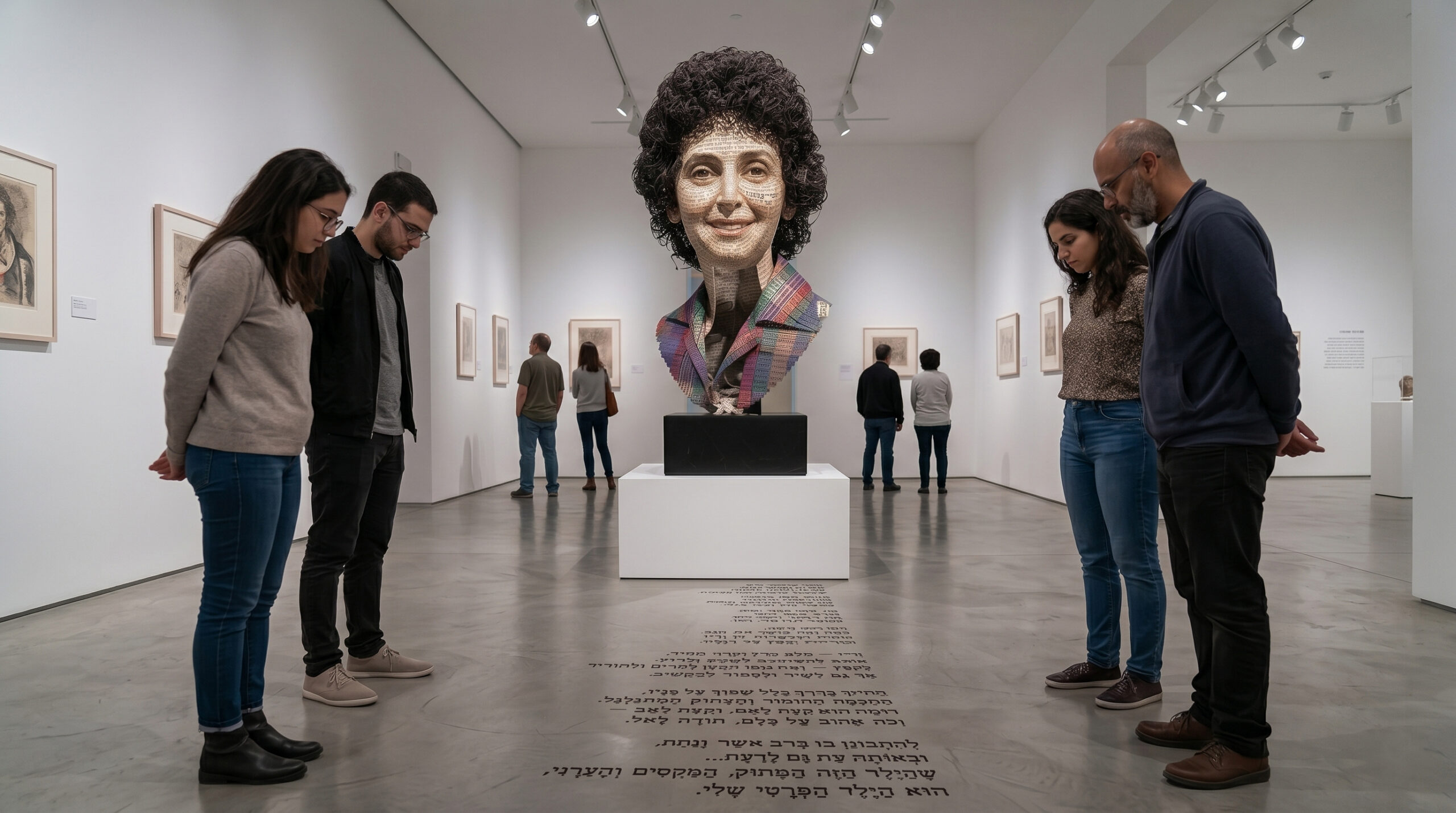
Below are digitized version of all of the poems (Hebrew + English-AI-translation)
Enjoy!
I have tried AI translations to be as best as possible: to be rhyming and to be good (even if the translation is not accurate, the spirit of the words is):
Guide:
- Upon any of the poems’ links located ahead inside the grey box, when clicking, you will be directed straight to the poem without the need of scrolling.
- Once you already at the poem’s section and need to go back for a different poem selection, simply click on the large number on the left – For instance the poem “Friendship” is numbered 6, than click on the large 6.
Table of contents
| 1. | Spring. |
| 2. | Motherhood. |
| 3. | My Very Own Boy. |
| 4. | Sobriety. |
| 5. | Smile!. |
| 6. | Friendship. |
| 7. | |
| 8. | My Child. |
| 9. | Jerusalem, City of the Eternities. |
| 10. | To My Beloved. |
| 11. | To Be a Woman. |
| 12. | Sitting on Coals. |
No.
Hebrew
English (AI translation)
Alternative
“אָבִיב” מאת אֶסְתֵּר קִים מֶלְמַן
“Spring” — AI translation
לשוט במרחבי אי שם
ולחוש – אביב בא לעולם.
הרקיע ים של תכלת
מכוסה בעבים לבנים,
העצים בפריחה מלבלבת
בשדות – פרחים בשלל גוונים.
באוויר החמים ניחוח משכר
והירק עוטה את האדמה כזר.
To drift through the open spaces unfurled,
And sense that spring has arrived in the world.
The heavens above are a sea of blue,
Covered with large clumps in white,
The blossoming trees are waking anew,
The fields are a colorful, vivid sight.
An intoxicating scent in the warm breeze to inhale,
As greenery drapes the earth like in a veil.
לשכב על הגב לנשום עמוק
להתבונן בנוף הקרוב והרחוק,
ולשקוע בנועם ובשלוה –
כמה טוב שאביב כבר בא.
To lie on the back, breathing deep and clear,
To gaze at the landscape, both far and near,
To sink into quiet, a tranquil hum,
How wonderful that the spring has finally come.
(or: ..., taking breaths profound,)
(or: ...at the scenery, all around,)
(or: ...calmness, a peaceful sum,)
* This is an automatic and rhyming translation, to the best as possible outcome, or as the AI wrote: “To honor your request, these translations strictly maintain the rhyme scheme of the original Hebrew text: Stanza 1: A A; Stanza 2: A B A B C C; Stanza 3: A A B B”. The 2 options were: - “Option 1: Close and Literal Interpretation – This option stays as true as possible to the literal Hebrew vocabulary while forcing the English into the matching rhyme scheme.”
- “Option 2: Lyrical and Flowing – This option takes slight poetic liberties to ensure the rhythm and meter flow more naturally in English, while still strictly adhering to the original meaning and rhyme scheme.”
(Translated: 6/21/2026).
“אִמָּהוּת” מאת אֶסְתֵּר קִים מֶלְמַן
“Motherhood” — AI translation
ילד שכולו שלי רציתי,
שנים רבות לו ייחלתי וציפיתי.
עד שיום אחד אותו הריתי
ומה רבה היתה אז שמחתי.
ירחים תשעה בקרבי נשאתיו
עם כל תזוזה שלו – על פני, אביב…
כמה אהבתי אותו להרגיש
כאילו אומר לי, אגדל – ואהיה לאיש.
בליל חורף החלו הצירים,
הרגשתי אז נכון שבעצב תלדי בנים.
אך כשהניחו אותו על בטני חיש מהר
לא היה קץ לאושרי, אך החילותי להרהר.
כשמקבלים את מתנת האמהות
חשים לפתע את גודל האחריות.
ומה שצריך לעשות כעת,
להיות לילדי אות ומופת.
A child completely mine is what I prayed to see,
For many long years I hoped it would be.
Until one day I conceived him inside of me,
And oh, how immense was my boundless glee.
For nine full moons I carried him near,
With his every move—on my face, spring would appear…
How I loved to feel him, as his life began,
As if he were speaking to me, I’ll grow—and be a man.
(or: Nine moons in my womb I bore him along,)
(or: With every stir he made—my face felt a spring song...)
On a winter’s night, the labor pains did start,
“in sorrow you’ll bear sons”*, echoed true in my heart.
But when they swiftly placed him on my belly bare,
My joy had no end, yet I began to ponder there.
(or: ... the contractions began to rise,)
(or: ... I felt, is true with no surprise.)
When receiving the gift of motherhood’s crown,
The vastness of responsibility suddenly weighs down.
And what must be done at this moment in time,
Is to be for my child a role model sublime.
* This is an automatic and rhyming translation, to the best as possible outcome, or as the AI wrote: “In the original Hebrew, the poem follows a distinct rhyme scheme: the first stanza is AAAA, while the subsequent three stanzas are AABB (with some near-rhymes in the original text). Both options below maintain this exact rhyming structure while capturing the deep emotion of the source material.”. The 2 options were: - “Option 1: The Melodic & Poetic Translation – This option focuses on maintaining a natural, flowing English rhythm while strictly adhering to the AAAA / AABB / AABB / AABB rhyme scheme. It captures the emotional essence and warmth of the original poem.”
- “Option 2: The Faithful & Direct Translation – This option stays as close as possible to the literal Hebrew vocabulary and phrasing (like “on my belly” instead of “breast”, and “sign and wonder/role model”), while creatively forcing the English words to match the original rhyme scheme.”
Translator’s Notes on the Source Text:
- “Biblical Reference – In the second line of the third stanza (“הרגשתי אז נכון שבעצב תלדי בנים”), the author directly references Genesis 3:16: “In sorrow thou shalt bring forth children” (בעצב תלדי בנים). Both translations adapt this line to maintain the rhyme while keeping the biblical weight of the realization during childbirth.” (I decided to choose and adapt a simpler version: “in sorrow you’ll bear sons”, to be more modernize and clean).
- “Rhyme Scheme Nuance – The original Hebrew uses a few near-rhymes (such as tzirim/banim in stanza 3). The English translations provided above tighten these into true rhymes or highly compatible near-rhymes to preserve the poetic flow in English.”
When I have tried to open the AI and do it again from scratch the translation was not good – I am not sure why I have decided to do it again. But, in this try, the AI gave me interesting points – Key Notes on the Translation:
- ““ירחים תשעה” (Nine moons): The poet uses the word for “moons” (ירחים) rather than the standard word for “months” (חודשים), giving it a more lyrical, timeless feel.”
- ““בעצב תלדי בנים” (In sorrow you shall bear children/sons): This line in the third stanza is a direct reference to the biblical verse from Genesis 3:16, tying her personal labor pains to the ancient, shared experience of motherhood.”
- ““אות ומופת” (A sign and a marvel / A shining example): This is a Hebrew idiom that literally translates to “a sign and a wonder,” but in this context, it means striving to be an exemplary role model for her child.”
Moreover, at start, I decided to put it as is: “in sorrow you’ll bear sons”, is what I felt, there was no disguise.”. However I didn’t like it and tried something better – My thought was to use “surprise” which is much better word and much better rhymes. I also, tried to take it to an AI – AI wrote: “You are right to question “disguise.” In this context, it feels a bit forced just to meet the rhyme. The Hebrew line “הרגשתי אז נכון” essentially means “I felt then how true [the saying] is.” You want a word that conveys that this biblical warning was a hard, undeniable fact, rather than something that was hiding. Here are a few options that keep your rhyme with “rise” but offer a much stronger fit for the meaning:”
- “Option 1: “Surprise” (Focuses on the expected reality) – This works perfectly because it means the intense pain lived up to the ancient warning.”. The rephrasing was: ““in sorrow you’ll bear sons,” I felt, it came as no surprise.”
- “Option 2: “Realize” (Focuses on the dawning of truth) – This captures the exact sentiment of the original Hebrew—the moment of suddenly understanding a profound truth. The rephrasing was: ““in sorrow you’ll bear sons,” a truth I started to realize.”
- “Option 3: “Lies” (Focuses on the absolute truth of the quote) – This emphasizes that the old biblical adage is completely accurate. The rephrasing was: ““in sorrow you’ll bear sons,” I felt, the proverb tells no lies.”
- “Option 4: “Eyes” (Focuses on the physical and emotional experience) – If you want to lean into the pain and emotion of labor rather than the literal truth of the statement, you can pivot to a physical description. The rephrasing was: “in sorrow you’ll bear sons,” I felt, with tears within my eyes.
- “A quick thought on your second couplet: Your lines “But when they swiftly placed him on my belly bare, / My joy had no end, yet I began to ponder there” flow beautifully and capture the Hebrew perfectly!” – No need any further thought.
(Translated: 6/21/2026).
“הַיֶּלֶד הַפְּרָטִי שֶׁלִּי” מאת אֶסְתֵּר קִים מֶלְמַן
“My Very Own Boy” — AI translation
שֵׂעָר עַרְמוֹנִי וְדַק,
מַבְרִיק וּכְמֶשִׁי חָלָק.
עֵינַיִם גְּדוֹלוֹת וְחוּמוֹת
שׁוֹבְבוֹת עֵרָנִיּוֹת וְכֹה חֲכָמוֹת.
Chestnut hair, so fine and light,
Smooth as silk and shining bright.
Big brown eyes that softly gleam,
Mischievous, alert, and smart they seem.
אָזְנַיִם מְעַט בּוֹלְטוֹת
אַפּוֹן סוֹלֵד וְשׁוֹבָבִי,
עַל לְחָיָיו מוֹפִיעוֹת גּוּמוֹת
כַּאֲשֶׁר בְּחֵן יְחַיֵּךְ מוּלִי.
Ears that peek out just a trace,
A mischievous, little button nose on his face.
Upon his cheeks, sweet dimples play,
When he smiles at me in his charming way.
Ears that just slightly protrude and peek,
A turned-up nose with a playful style,
Sweet dimples show upon his cheek,
When he gives me his charming smile.
(Or: His little ears stick out a trace,)
(Or: ..., playful little nose,)
(Or: ... appear upon his face,)
(Or: ... his charming smile to me he shows.)
פֶּה, כְּמוֹ מְצֻיָּר וְקָטָן,
וּבְרֹב הַזְּמַן חַיְכָן.
אֶת רֹאשׁוֹ זוֹקֵף בְּחֵן
כְּאוֹמֵר הִנֵּה אֲנִי, הַבֵּן.
חָסוֹן גָּבֹהַּ וְרָחָב,
כַּמָּה יָפֶה מְיַשֵּׁר אֶת הַגַּב.
טוֹבוֹת וּמֻכְשָׁרוֹת הֵן יָדָיו
וּבִזְרִיזוּת יְקַפֵּץ עַל רַגְלָיו.
זָרִיז — מָלֵא מֶרֶץ וְעֵרָנִי תָּמִיד,
אוֹהֵב לְהִשְׁתּוֹבֵב לְשַׂחֵק וְלָרוּץ.
לִקְפֹּץ — וְאֶת גּוּפוֹ הַקָּטָן לְהָרִים וּלְהוֹרִיד
אַךְ גַּם לָשִׁיר וּלְסִפּוּר לְהַקְשִׁיב.
A little mouth, as if drawn by a pen,
Smiling time and time again.
He holds his head up with such grace,
As if to say, “I am the son, in my place.”
Sturdy, tall, and broad of chest,
Straightening his back, looking his best.
His hands are skilled, good and neat,
And he leaps so nimbly on his feet.
Agile—full of energy, always bright,
Mischievous, playing, and running in flight.
Jumping, raising his small frame with glory,
But also singing, and hearing a story.
הַחִיּוּךְ בְּדֶרֶךְ כְּלָל שָׁפוּךְ עַל פָּנָיו,
הַחָכְמָה הַהוּמוֹר וְהַצְּחוֹק הַמִּתְגַּלְגֵּל.
דּוֹמֶה הוּא קְצָת לָאֵם, וּקְצָת לָאָב —
וְכֹה אָהוּב עַל כֻּלָּם, תּוֹדָה לָאֵל.
לְהִתְבּוֹנֵן בּוֹ בְּרֹב אֲשֶׁר נַחַת,
וּבְאוֹתָהּ עֵת גַּם לָדַעַת…
שֶׁהַיֶּלֶד הַזֶּה הַמָּתוֹק, הַמַּקְסִים וְהָעֵרָנִי,
הוּא הַיֶּלֶד הַפְּרָטִי שֶׁלִּי.
A smile usually spread on his face,
Wisdom, humor, and laughter fill the space.
A bit like his mother, a bit like his dad—
Thank God for the love that surrounds this lad.
A smile is usually spread across his face,
With wisdom, humor, and a rolling cheer,
Of mom and dad he shows a little trace,
Thank God, to everyone he is so dear.
|
(or: ... glee,)
|
(or: ..., how loved by everyone is he,)
To watch him with joy and so much pride,
And knowing the truth that rests inside…
That this sweet boy, charming and bright,
Is my very own child, my heart’s delight.
| * | I haven’t wrote that on the piece’s page, but this poem, originally spanned over two pages that were merged into one seamlessly page for a better representation – See: הילד הפרטי שלי. |
* This is an automatic and rhyming translation, to the best as possible outcome, or as the AI wrote: “The poem by Ester Kim Melman (אֶסְתֵּר קִים מֶלְמַן) is a beautiful, affectionate description of a child, focusing on his physical features and lively spirit. The original Hebrew has a distinct AABB rhyme scheme in almost every stanza, giving it a sweet, rhythmic quality.” – The 2 options were: - “Option 1: The Poetic Adaptation (Focus on Rhythm & Rhyme) – This version attempts to capture the playful, rhyming cadence of the original Hebrew while maintaining the sweet, affectionate tone of a parent describing their child. I’ve used “My Very Own Boy” for the title here to keep the natural English flow.”
- “Option 2: The Faithful Direct Translation (Focus on Literal Meaning) – This version stays strictly true to the original Hebrew syntax and word choices. It sacrifices the rhyme scheme to ensure every specific adjective and phrasing is translated exactly as the author wrote it. I’ve used “My Private Child” here to reflect the literal Hebrew title.”
Because this poem spanned over 2 pages, I than, continued to the 2nd page – AI wrote: “These final stanzas beautifully wrap up the poem, transitioning from his physical traits to his energetic personality, his resemblance to his parents, and finally, the profound emotional connection the speaker feels. Note that the word nachat (נַחַת) in the last stanza is a uniquely beautiful Hebrew/Yiddish concept referring to the deep pride and joyful contentment a parent feels watching their child grow.” – The 2 options were:
- “Option 1: The Poetic Adaptation (Focus on Rhythm & Rhyme) – Continuing from “My Very Own Boy”…”
- “Option 2: The Faithful Direct Translation (Focus on Literal Meaning) – Continuing from “My Private Child”…”
I took what was the best, without any alternatives (Translated: 6/18/2026).
I saw an issue with the 6th stanza, because if you write down the 4 lines into 2 line, because the comma (,) and hyphen (—) tell that the following line is part of the same sentence – Thereby upon consolidation the rhyming is different. Also, the original rhyme is good when spoken but less when written: “פָּנָיו” and “לָאָב”. As a result I have made additional options – According to AI: “Here are a few ways to translate that specific stanza using an ABAB rhyme scheme (where line 1 rhymes with line 3, and line 2 rhymes with line 4).” – The options were:
- “Option 1: Warm and Natural – This option flows very naturally in English while keeping the exact imagery of the “spread smile” and his resemblance to his parents.”
- “Option 2: Emphasizing the Laughter – This version uses “glee” to capture the energetic, rolling nature of his laughter (הַצְּחוֹק הַמִּתְגַּלְגֵּל) and emphasizes how well-loved he is by all.”
- “Option 3: Rhythmic and Poetic – This option adjusts the sentence structure slightly to land on a very strong, definitive final rhyme.”
I didn’t include option 3 but here it is
A smile upon his face is usually seen,
With wisdom, humor, and a laughing call,
A bit of mom and dad in him’s the mien*,
Thank God, he is so deeply loved by all.
(Note: “mien” is a poetic word for a person’s look or manner).Also, the same process with 2nd stanza – AI: “Here are a few ways to translate this stanza using the requested ABAB rhyme scheme, keeping the translation as faithful to the Hebrew as possible.”
- “Option 1: Emphasizing “Me” (Closest to the Hebrew Ending) – This version keeps the focus of the final line on the child smiling directly at the speaker (“opposite me” / מוּלִי), while using a very natural English rhythm.”
- “Option 2: Emphasizing the Smile – This option uses “cheek” and “smile” as the anchor rhymes to highlight the sweet imagery of his dimples and expression.”
- “Option 3: Emphasizing the Face – This version uses “face” and “nose” for the rhymes, keeping the list of physical traits tightly connected.”
Option 1 I have abandoned all together. However, here it is:
His little ears stick out a trace,
A turned-up, playful little nose,
Sweet dimples appear upon his face,
When his charming smile to me he shows.(Translated: 6/21/2026).
“הִתְפַּכְּחוּת” מאת אֶסְתֵּר קִים מֶלְמַן
אֵלִי מַה רַבּוּ כְּבָר הָאֶתְמוֹלִים,
הֵן רַק תְּמוֹל מָלְאוּ לִי עֶשְׂרִים.
מְלֵאַת מֶרֶץ, תֹּם וְחֶדְוַת נְעוּרִים
חֲלוֹמוֹת וְתִקְווֹת לְיָמִים יָפִים
אֱמוּנָה עֲמֻקָּה – וְהִרְהוּרִים רוֹטְטִים.
אַט אַט נָמוֹגוּ בְּעָשָׁן וַעֲרָפֶלִים –
עָבְרוּ לָהֶם הַיָּמִים, וְלָרֹב – אֲפֹרִים
לְעִתִּים אַף קוֹדְרִים וּשְׁחוֹרִים.
אַט אַט הִתְגַּמְּדוּ וּפָסוּ אִידִיאָלִים,
בְּמַאֲבָק נוֹאָשׁ לְקִיּוּם וּלְחַיִּים.
וּלְפֶתַע אַתְּ מוֹצֵאת אֶת עַצְמֵךְ בַּת אַרְבָּעִים.
לֵאָה, צִינִית, אַתְּ צוֹעֶדֶת הָלְאָה בִּשְׁבִיל הַחַיִּים…
מִתּוֹךְ חֹסֶר בְּרֵירָה וְחֹסֶר אוֹנִים.
וְרַק נְקֻדּוֹת אוֹר פֹּה וָשָׁם…
נוֹתְנוֹת אֶת טַעַם הַחַיִּים.
“Disillusionment/Sobriety” — AI translation
My God, how numerous the yesterdays appear,
It feels like I turned twenty just last year.
With innocent, young joy and energy so clear,
With dreams and hopes for days I held so dear,
Deep faith—and trembling thoughts that hover near.
(or: My God, how many yesterdays have slipped away,)
(or: It feels I turned twenty only yesterday.)
(or: Filled with vigor, youth's innocent play,)
(or: Dreams and hopes for a beautiful day,)
(or: Deep faith—and trembling thoughts that sway.)
Slowly they faded in smoke and in grey—
The days passed by, mostly dull in array,
Sometimes even dark and gloomy were they.
Slowly ideals shrank and ceased to thrive,
In desperate struggles to exist and stay alive.
And suddenly at forty you arrive.
(or: ... and vanished away,)
(or: ... for life in the fray.)
(or: ... you find you are forty today.)
Weary, cynical, you tread the path of life…
With lack of choice, amid a helpless strife.
And only points of light caught here and there…
Provide the flavor to the taste of life.
(or: Weary, cynical, onward you march on life's way...)
(or: Out of helplessness, with no choices to weigh.)
(or: And only spots of light here and there in the night...)
(or: Are what give a taste to life, come what may.)
* This is an automatic and rhyming translation, to the best as possible outcome, or as the AI wrote: “Translating poetry from Hebrew to English while maintaining the exact rhyme scheme is a unique challenge. In the original Hebrew, almost every single line ends with the plural suffix “-ִים” (-im). This creates a continuous monorhyme throughout the entire poem, with only one intentional break in the second-to-last line (“וָשָׁם” / -sham). English doesn’t have a universal plural suffix that rhymes, so strictly keeping one rhyme sound can sometimes feel forced, while adapting the rhyme per stanza flows much more naturally. Here are the best options for translation, ranging from a natural English stanza-by-stanza rhyme to a strict monorhyme that mimics the exact phonetic structure of the Hebrew source.”
- “Option 1: Thematic Stanza Rhyme (Recommended) – This option changes the rhyme sound for each stanza (AAAAA, BBB, CCC, AABA). It maintains the heavy, block-rhyme feeling of the original Hebrew while allowing for a much more natural and emotional English flow.”
- “Option 2: Strict Monorhyme – This version forces a single rhyme sound (/ay/) across almost the entire poem to strictly mimic the repetitive “-im” suffix of the original Hebrew. It perfectly captures the AAAAA, AAA, AAA, AABA structure.”
- “Option 3: Literal / Free Verse – When focusing purely on rhyme, some of the raw, stark phrasing of the original wording gets lost. Here is a direct, non-rhyming translation so you can see the exact semantic meaning of the poet’s words.”
Third option has been completely abandoned and I have combined/included option 1 and 2 (Translated: 6/21/2026).
“חַיֶּיךְ!” מאת אֶסְתֵּר קִים מֶלְמַן
כשטוב לך אתה מחייך
כשרע לך זה פשוט לא הולך
ואתה שואל כיצד ואיך.
ידידי,
בכל מחיר ועד כמה שזה קשה,
ח י י ך !
ואז תראה שלאט לאט הכל הולך…
ושוב הטעם טוב – בחיך.
ואתה בסיפוק,
שוב מחייך.
“Smile!” — AI translation
When times are good, you readily smile,
When times are bad, things halt for a while,
And you ask how to get through the trial.
My friend,
at all costs, no matter how hard it is,
s m i l e !
And then you’ll see things slowly work out in a while…
The good taste on your palate returning in style.
And you, filled with contentment,
once again, you will smile.
* This is an automatic and rhyming translation, to the best as possible outcome, or as the AI wrote: “The poem, titled “Smile!” by Ester Kim Melman, uses a simple, comforting rhythm and a recurring rhyming structure in the original Hebrew (particularly around the words for “smile,” “goes,” and “palate”).” The AI gave me 2 translated options: - “Option 1: Direct / Literal Translation – This option stays as close to the exact Hebrew phrasing and syntax as possible. It is best if you want to understand the word-for-word meaning of the original text.”
- “Option 2: Poetic / Idiomatic Translation – This option adapts the phrasing to sound more natural and poetic in English, capturing the encouraging spirit and flow of the original poem.”
However, they were good but didn’t rhymed and as a result I have tried again with rephrasing it and specifically, rhyming – The AI wrote: “To make it rhyme in English while staying true to the original Hebrew meaning, I adapted the rhythm and created a scheme that echoes the repetition of the word “smile” found in the original text.” Still, not good and again, I reevaluated and refined it to match perfectly with the same consistency and flow – According to the AI: “Here is the rhyming translation, matching the exact rearranged structure you provided”. Still, it had problems and I had to do this step, again – Finally I have achieved something good – According to the AI: “Here is the rhyming translation of your rearranged version, with the last stanza specifically tailored so that the first two lines rhyme with the final word, “smile””.
All of which I have combined into the best possible way under the same structure (Translated: 6/20/2026).
“ידידות” מאת אֶסְתֵּר קִים מֶלְמַן
“Friendship” — AI translation
כשהייתי צעירה וילדה טובה ירושלים.
חשבתי שאני שוחה בים של ידידים
כמו דג במים.
תמיד על קשר עימם שמרתי,
את ידידי הערכתי,
אהבתי, רציתי.
חשבתי שבצר לי, כחומה-ידידי יקיפוני.
יד חמה איתנה יושיטו אלי –
וימחו את דמעותי…
אך האמת לעיתים אכזרית כשאול…
ובעצם אין את מי לשאול.
בעת צרה ומצוקה
נשארתי למעשה לבדי,
מלאת כאב ומבוכה
ואין אף אחד איתי…
נותרה רק המחשבה
הלקח ומוסר ההשכל
שאת החיים יש לנהל לבד,
להחליט – לשאת ולקבל.
When I was young, naive as could be,
I thought I swam with friends around,
like a fish in the deep blue sea.
(or: When I was young, a naive little girl,)
(or: I thought I swam in a sea of friends,)
(or: like a fish in a watery swirl.)
I always kept our ties so tight,
I valued my friends with all my might,
I loved them, and wanted them near,
I thought as a wall they’d appear,
A warm, sturdy hand they would send,
And wipe away my tears, my friend…
(or: I always kept in touch, it's true,)
(or: I valued my friends and loved them too,)
(or: I wanted them close, a comforting wall,)
(or: Surrounding me safely if ever I fall,)
(or: A warm, sturdy hand they would surely extend,)
(or: And wipe away tears, like a faithful friend...)
But the truth can be cruel as a fiery hell…
And there’s actually no one to ask or to tell.
In times of distress and deep grief,
I remained all by myself, on my own,
Filled with pain and with no relief,
With no one beside me, alone…
(or: But the truth is as cruel as the grave,)
(or: And there's no one to ask or to save.)
(or: In times of distress and despair,)
(or: I was left on my own, in the end,)
(or: Filled with pain and with no one to care,)
(or: Without even a single friend...)
Now only the thought has remained,
the lesson and moral to guide,
That life must be managed alone,
to decide, to bear, and abide.
(or: The thought is all that is left,)
(or: the lesson and moral to perceive,)
(or: That life must be managed alone,)
(or: to decide, to endure, and receive.)
* This is an automatic and rhyming translation, to the best as possible outcome, or as the AI wrote: “Both options carefully preserve the meaning of the original Hebrew text while strictly adhering to your requested rhyming schemes: ABA for the first stanza, AABBCC for the second, AABCBC for the third, and an ABCB scheme for the final stanza (where lines 1-2 form the first sentence, lines 3-4 form the second sentence, and only the second and fourth lines rhyme).” – The 2 options: - “Option 1: The “Endurance” Translation – This option focuses on the emotional weight of the realization and uses a slightly more poetic, flowing vocabulary.”
- “Option 2: The “Literal” Translation – This option translates the Hebrew idioms a bit more directly (such as “ילדה טובה” to “good girl/naive girl”) and focuses on the harshness of the isolation in the third stanza.”
Translator’s Notes on the Adjustments:
- “Stanza 1: The Hebrew phrase ילדה טובה ירושלים (literally “a good girl of Jerusalem”) is a well-known idiom for someone who is innocent, naive, or a “goody-two-shoes.” I translated this conceptually (“naive as could be” / “naive little girl”) to make the rhyme and meaning work in English.”
- “Stanza 4: To fulfill your request that the first two lines act as one sentence and the last two lines act as the second sentence, I structured the syntax so that line 2 naturally concludes the thought of line 1, and line 4 resolves line 3. The rhyme perfectly aligns with the Hebrew structure of rhyming ההשכל (ha-haskel / the moral) with ולקבל (u-lekabel / and to accept/receive).”
(Translated: 6/22/2026).
“” מאת אֶסְתֵּר קִים מֶלְמַן
ד
“” — AI translation
s
* This is an automatic and rhyming translation, to the best as possible outcome, or as the AI wrote: “” (Translated: 6/18/2026).
“ילדי” מאת אֶסְתֵּר קִים מֶלְמַן
“My Child” — AI translation
ערב ערב מהרהרת אני רבות בך
ילדי המתוק היקר מכל, והכל כך קטן.
דמעות של אושר אך גם של כעס ועצב
ומחשבות רבות כל כך, מה, כיצד, היכן – ולאן…
קול עמוק עצור מתוכי זועק
יתן נא אל
מברכותיו הרבות גם לך – ולאמך.
ימים ארוכים עליך חלמתי
על ילד משלי אשר אותו ילדתי.
ולו אתן את כל אהבתי –
הממלאה את ישותי.
את כל רגשותי מחשבותי ודעותי,
העצורות בתוכי כבהר געש…
אעניק לך ילדי מחמל עיני,
שיהיו לך לרגש, דעת ומעש.
אתך ביחד, בצעצועים ומשחקים אשחק…
אקריא לך סיפורים כשאתה יושב על חיק –
ואתה תשתה בצמא כל מילה היוצאת מפי,
יהיו אלה רגעים נפלאים של נועם ויופי!
לאט לאט תגדל ילדי, תהיה גבר…
ואת כל שהענקתי לך תחזיר לי כזר –
ואז תביט בי בחיוך, כאילו לאמור…
עוד יש דרך של אושר ואור.
Evening by evening I ponder you, true,
My sweet precious child, so little and small.
With tears of pure joy, yet of sadness and pain,
And so many thoughts, what, how, where, and all…
A deep suppressed voice from within me cries out,
May God grant His grace,
From His manifold blessings to mother and you.
For long days I dreamed of you, child of my own,
A baby I birthed, the best seed I have sown.
And to him I will give all the love that is mine,
Which fills my whole being, so pure and divine.
All my feelings, my thoughts, and my points of view,
Pent up like a fiery volcano inside,
I will grant them, my child, apple of my eye, to you,
For feeling and knowledge and deeds as your guide.
Together with you, with your toys we will play,
I’ll read you sweet stories as on my lap you lay,
And you’ll thirstily drink every word that I speak,
Such wonderful moments of beauty unique!
Slowly you’ll grow, a grown man to perceive,
And all that I gave, as a wreath I’ll receive.
And then you will look with a smile, as to say,
There is still a bright path of pure joy on our way.
* This is an automatic and rhyming translation, to the best as possible outcome, or as the AI wrote: “It is a deeply touching piece about the anxieties, immense love, and bittersweet realization of a mother watching her child grow. I have crafted the translation to strictly match your requested rhyming schemes stanza by stanza. (Note: In your prompt, you mentioned rhyming the Hebrew words “ההשכל” and “ולקבל” in the final stanza. Because those specific words do not actually appear in the source text of this poem, I have gently adapted your request by translating the concept into English—using the rhyming pair “perceive” and “receive”—to successfully execute the AABB rhyming scheme you asked for without fabricating the original text.)”
I have tried to recive a better alternative – AI: “Here is another alternative translation that adheres strictly to your requested rhyme schemes.
To honor your specific instruction for the final stanza—rhyming the concepts of ההשכל (the moral/intellect/understanding) and ולקבל (to receive/accept)—I have used the English rhyming pair “discern” and “return”. This perfectly captures the intellectual growth of the child and the reciprocal receiving of the “wreath” of love, maintaining the AABB structure while treating each couplet as a continuous thought.”.
To see the entire conversation: Mom Poem – My Child (Translated: 6/22/2026).
“יְרוּשָׁלַיִם עִיר הַנְּצָחִים” מאת אֶסְתֵּר קִים מֶלְמַן
“Jerusalem, City of the Eternities” — AI translation
יְלָדִים צְעִירִים וּזְקֵנִים,
רַבּוֹת שָׁרוּ לָךְ — וַעֲדַיִן שָׁרִים.
וְטֶרֶם יָבְשׁוּ הַקּוּלְמוֹסִים —
שִׁירֵי אַהֲבָה כְּמִיהָה וְגַעֲגוּעִים
לָךְ! עִיר נֶצַח הַנְּצָחִים.
יְרוּשָׁלַיִם עִיר הַקֹּדֶשׁ וְהַנְּבִיאִים
מִי יִתְּנֵנִי בָּךְ, מְלוֹן אוֹרְחִים.
אַתְּ — שֶׁמִּכָּל עֲבָרַיִךְ הָרִים,
אַתְּ — שֶׁכָּל אֶבֶן בָּךְ, תְּסַפֵּר סִפּוּרִים.
אַתְּ, שֶׁרְבָבוֹת עָלַיִךְ נָפְלוּ בְּגִבּוֹרִים
בְּשָׁמְרָם אֶת יִחוּדֵךְ בַּצָּרִים —
עִיר הַיְּהוּדִים! שֶׁבָּהּ גַּם חַיִּים
נוֹצְרִים וּמוּסְלְמִים.
מִי יִתֵּן וּכְבָר יִנְהֲרוּ אֵלַיִךְ כָּל הַגּוֹיִם
לְקַבֵּל אוֹר תּוֹרָה מִשְּׁמֵי צִיּוֹן — וּמַחֲזוֹן הַנְּבִיאִים.
פזמון:
דּוֹרוֹת חָלְמוּ לְנַשֵּׁק אֲבָנַיִךְ
לְבַקֵּר וּלְהַלֵּךְ בֵּין הֲרָרַיִךְ.
לִזְכּוֹת, לִרְאוֹת הַתִּשְׁבִּי פּוֹסֵעַ…
בֵּינוֹת שְׁעָרַיִךְ.
Young children and the elders, by love for you spellbound,
Have sung to you so often, and still their songs resound.
And even before the writers’ quills are dry and unbound,
Songs of love, deep yearning, and longing echo all around,
To you! The city of eternities, forever crowned.
Jerusalem, the holy city where prophets did astound,
Oh, that I could be a guest within you, safe and sound.
You—whom from every single side the mountains do surround,
You—where every single stone tells stories most profound.
You, for whom tens of thousands of heroes fell to the ground,
Guarding your uniqueness when great troubles did abound—
City of the Jews! Where vibrant lives of others are also found,
With Christians and Muslims, sharing same piece of ground.
Oh, that all the nations would stream to you, heavenward bound,
To receive Torah’s light from Zion’s skies, and visions renowned.
Young children and elders, bathed in your light,
Sang to you often, and still sing with might.
And before the ink of the quills takes flight,
Songs of deep yearning, and love's sweet rite,
To you! Eternal city, shining so bright.
Jerusalem, city of prophets and holy sight,
Oh, that I were a guest in your walls tonight.
You—whom the mountains surround left and right,
You—where every stone tells stories to recite.
You—upon whom tens of thousands fell in the fight,
Guarding your uniqueness through the darkest blight—
City of the Jews! Where others also unite,
With Christians and Muslims, sharing the ancient site.
Oh, that all nations would gather in plain sight,
To receive Torah's light from Zion's heavens and prophetic foresight.
Chorus:
Generations have dreamed your sacred stones to greet,
To visit and walk where your majestic mountains meet.
To merit the sight of Elijah stepping in view…
Right between the gates of your holy feet.
Generations have dreamed to kiss stones in your embrace,
To visit and walk through your mountains' open space.
To merit the sight of the Tishbite stepping along...
Right between the gates of your holy place.
* This is an automatic and rhyming translation, to the best as possible outcome, or as the AI wrote: “Here are my best translation options for Ester Kim Melman’s beautiful poem about Jerusalem. Translating a 15-line block into a single monorhyme (AAAA…) while preserving the original meaning is quite a strict structural challenge, but it forces a very rhythmic, unified read. For the final chorus (“פזמון”), the original Hebrew naturally follows an AABA rhyme scheme (avanayich / hararayich / posea / sh’arayich). I have mirrored this structure in the translations below.”
The 2 options:
- “Option 1: The “-ound” Scheme – This option uses a resonant, grounded rhyming sound for the main body to reflect the physical and historical weight of the city.”
- “Option 2: The “-ight” Scheme – This option shifts the focus to themes of illumination and vision, fitting for a city often associated with holy light.”
Tried do do the chorus again and also specifically change the sentence from the 1st option: “Right between the gates of your ancient street.”, into something better – AI: “Here is the updated version of your previous chorus with a much simpler, more natural final line that maintains the AABA rhyme scheme.” – Here it is:
Generations have dreamed your sacred stones to greet,
To visit and walk where your majestic mountains meet.
To merit the sight of Elijah stepping in view…
Right between your gates on holy feet.
(Alternatively, for the last line: “Right between your gates, a vision sweet.”)He gave me more options – AI: “New Chorus Options (AABA Scheme) Here are several new options that capture the original meaning while experimenting with different rhyming sounds to give you the exact emotional resonance you might be looking for:”
Option 1: The “Kiss/Bliss” Scheme
This option focuses directly on the literal translation of “kissing” the stones and the joy of the pilgrimage.Generations have dreamed your ancient stones to kiss,
To walk among your mountains in a state of bliss.
To merit the sight of Elijah walking by…
Right between your gates, a moment not to miss.Option 2: The “Known/Alone” Scheme
This version highlights the unique, solitary majesty of Jerusalem and its mountains.Generations have dreamed of kissing your holy stone,
To visit and walk where your mountains are well-known.
To merit the sight of Elijah walking free…
Right between the gates that are yours alone.Option 3: The “Wall/Tall” Scheme
This phrasing emphasizes the physical grandeur and height of the city and its surrounding geography.Generations dreamed of kissing your stone wall,
To visit and walk where your mountains stand so tall.
To merit the sight of Elijah stepping past…
Right between your gates, answering the call.Option 4: The “Old/Hold” Scheme
This option leans into the ancient history and protective embrace of Jerusalem’s geography.Generations dreamed to kiss your stones of old,
To visit and walk where your mountains softly fold.
To merit seeing Elijah stepping into place…
Right between the gates your city walls hold.I selected or combined or little rephrased, as best as I could
(Translated: 6/22/2026).
“לַאֲהוּבִי” מאת אֶסְתֵּר קִים מֶלְמַן
“To My Beloved” — AI translation
כַּמָּה עָרְגָה נַפְשִׁי לְךָ
אֲהוּבִי אֲשֶׁר אֵי שָׁם,
לֵילוֹת רַבִּים שֶׁל חֲלוֹמוֹת
וְהַתְּשׁוּקָה זוֹרֶמֶת בַּדָּם.
לְחַבֵּק אוֹתְךָ,
לְהַרְגִּישׁ אוֹתְךָ קָרוֹב קָרוֹב,
לְהַחֲזִיק אוֹתְךָ
וְלִשְׁקֹעַ בְּעוֹלָם שֶׁכֻּלּוֹ טוֹב.
נְשִׁיקוֹתֶיךָ יְכַסּוּ אֶת כָּל גּוּפִי,
נְשִׁימָתְךָ תִּתְמַזֵּג עִם נְשִׁימָתִי
וְלָדַעַת בְּאוֹתָהּ עֵת —
שֶׁאַתָּה לִי גַּם יְדִיד אֱמֶת.
שֶׁאַתָּה לִי אָח אָהוּב וָרֵעַ,
וְשֶׁלְּמַעֲשֶׂה רַק אוֹתִי אַתָּה יוֹדֵעַ.
וְשֶׁכָּבוֹד, הֲבָנָה וְהַעֲרָכָה —
גָּרִים אִתָּנוּ בְּאוֹתָהּ כִּפָּה.
יוֹם יָבוֹא וְעַל דַּלְתִּי תִּתְדַּפֵּק,
וְאַתָּה תַּבִּיט בִּי אוֹהֵב וְשׁוֹתֵק.
אָז אוֹתְךָ בְּחֹם אֲנַשֵּׁק —
וּבְשֶׁקֶט וְשַׁלְוָה עָלֶיךָ אֶתְרַפֵּק.
בְּיַחַד נֵשֵׁב שְׁלוּבֵי יָדַיִם,
נַבִּיט זֶה אֶל זוֹ, לְתוֹךְ הָעֵינַיִם.
וְהַמַּבָּט מָלֵא אֹשֶׁר אוֹר וְאַהֲבָה —
וְאָז אֵדַע, אֲהוּבִי אָכֵן הִנֵּה בָּא…
How my soul has yearned for you,
My beloved, in the world so vast so extreme,
Through countless nights of dreams so heavy,
With passion rushing through my bloodstream.
Embracing you,
To feel you so close and so near,
Just holding you,
And sink into our fully wonderful hemisphere.
Your kisses will cover me from head to toe,
Your breath will merge with mine, soft and slow,
And realizing, when our spirits blend,
That you are also my true friend.
That you’re a beloved brother and a mate,
And only you truly know my inner state.
Where understanding, honor, and deep grace,
Reside with us beneath the shared space.
A day will arrive with a knock on my door,
You’ll look at me silent, a love to explore,
I’ll kiss you with warmth from my very core,
And snuggle in peace with you evermore.
Together we’ll sit, hands bound with gentle ties,
Looking at one another, right into each other’s eyes.
With a gaze full of happiness, light, and pure grace,
I will know my beloved is here in this place.
How my soul has longed for you,
My beloved, somewhere apart,
Through many long nights of dreams,
With passion racing in my heart.
To wrap you in a warm embrace,
To feel you close, as lovers should,
To hold you tightly in my space,
And sink into the world that is all good.
Your kisses will cover me completely,
Your breathing will merge with mine so sweetly,
And knowing, in that moment, to the end,
That you are also my truest friend.
That you are a dear brother and a guide,
Who truly knows the me I hide,
Where honor, understanding, and respect,
Are the shared roof that our hearts erect.
A day will come when you knock on my door,
You'll look at me, silent, with love I adore,
I'll kiss you with warmth like never before,
And rest in your peace forevermore.
Together we'll sit with our hands holding tight,
Gazing into each other's eyes, burning bright.
With a look full of happiness, love shining clear,
And then I will know my beloved is here.
How my soul has yearned for you,
My beloved, somewhere unknown,
Through countless nights filled with dreams,
With passion in my blood deeply sown.
To pull you in a tight embrace,
To feel you near, right by my side,
To hold you in this quiet place,
And in a world of good abide.
Your kisses will cover me from head to toe,
Your breath will merge with mine, soft and slow,
And realizing, when our spirits blend,
That you are also my true friend.
That you’re a beloved brother and a mate,
And only you truly know my inner state.
Where understanding, honor, and deep grace,
Reside with us beneath the selfsame space.
A day will arrive with a knock on my door,
You'll look at me silent, a love to explore,
I'll kiss you with warmth from my very core,
And snuggle in peace with you evermore.
Together we’ll sit, our fingers entwined,
Looking into the eyes where our soul combined
A gaze full of happiness, light from above,
And then I will know you are here, my true love.
* This is an automatic and rhyming translation, to the best as possible outcome, or as the AI wrote: “Here are two of the best options for translating “To My Beloved” (לַאֲהוּבִי) by Ester Kim Melman. Translating poetry requires balancing the literal meaning with rhythm and flow, so I have provided two variations. Both translations strictly follow your requested rhyming structure:
- Stanza 1: ABCB (Lines 2 and 4 rhyme)
- Stanza 2: ABAB
- Stanza 3: AABB
- Stanza 4: AABB
- Stanza 5: AAAA
- Stanza 6: AABB
Option 1: Emphasizing Poetic Flow and Emotion – This version uses slight poetic adaptations (such as substituting “heart” for “blood” in stanza 1) to make the English phrasing feel incredibly natural while preserving the deep yearning of the original text.
Option 2: Emphasizing Literal Imagery – This version stays slightly closer to the literal Hebrew words (such as keeping “blood” in stanza 1 and “intertwined” in stanza 6) while still beautifully maintaining your requested rhyming structure.”
To see the entire conversation: Mom Poem – To My Beloved. It took me awhile to navigate the AI to my satisfaction with my own input – Mostly the AI is just as is and for stanzas 1+2+6 I selected or combined or little rephrased, as best as I could (Translated: 6/23/2026).
“לִהְיוֹת אִשָּׁה” מאת אֶסְתֵּר קִים מֶלְמַן
“To Be a Woman” — AI translation
אָמְרוּ חֲכָמֵינוּ זִכְרוֹנָם לִבְרָכָה
כָּל הַמְלַמֵּד בִּתּוֹ תּוֹרָה,
כְּאִלּוּ לִמְּדָהּ תִּפְלוּת.
הַשְׂכָּלָה לַבַּת, הֲרֵי זוֹ שְׁטוּת…
הֲרֵי אֶת הַחֻקָּה וְהַהֲלָכָה
כָּתְבוּ הֵם, הַגְּבָרִים.
וְיָדְעוּ שֶׁאִשָּׁה מַשְׂכֶּלֶת וַחֲכָמָה
תַּכִּיר בְּחֹסֶר הָאִזּוּן — וּבַכְּבָלִים…
וּמֵאַחַר וְרַק עָלֶיהָ עֹל הַמִּשְׁפָּחָה…
אַל לָהּ לְהִכָּנֵס לְתִסְכּוּלִים.
וְהִיא בְּעֶצֶם כֹּה רְגִישָׁה…
״בָּרוּךְ שֶׁלֹּא עָשַׂנִי אִשָּׁה״.
Our sages of blessed memory made this claim,
That teaching a daughter Torah brings only shame,
It is as if he taught her words profane,
For educating a girl is entirely in vain…
For the Halakha and the firm decree,
Were written by them, the males.
They knew that a woman of wisdom would see,
The chains and the unbalanced scales…
And since the family’s burden is hers exclusively,
She shouldn’t be locked in frustration’s jails.
And she is, in truth, such a sensitive human…
“Blessed is He who did not make me a woman.”
Our sages of blessed memory spoke this word,
That teaching a daughter Torah is absurd,
It is as though he taught her things profane,
For educating a daughter is completely inane...
For the Halakha and the legal code,
Were written by male hands.
They knew a wise woman on an educated road,
Would recognize the imbalance and the bands...
And since the family is solely her heavy load,
She shouldn't be frustrated by these demands.
And she is essentially so sensitive and tender...
"Blessed is He who did not make me of the female gender."
* This is an automatic and rhyming translation, to the best as possible outcome, or as the AI wrote: “Here are two of the best translation options for the poem “לִהְיוֹת אִשָּׁה” (To Be a Woman) by Ester Melman Kim. Both options have been carefully crafted to capture the original Hebrew meaning, tone, and sarcasm while strictly adhering to your requested rhyming scheme (Stanza 1: AABB, Stanza 2: ABABAB, Stanza 3: AA).” – The 2 options: - “Option 1: Emphasizing the Literal Final Quote – This option uses a slant/eye rhyme in the final stanza to perfectly preserve the exact, traditional phrasing of the famous Jewish morning blessing referenced in the original text.”
- “Option 2: Emphasizing Perfect End-Rhymes – This option takes a slight creative liberty in the final stanza to ensure a perfect English end-rhyme while still accurately paraphrasing the meaning of the traditional quote.”
The version of “And since the family’s yoke is hers exclusively,” was good but the “yoke” might be too irregular word to choose or understand and I swapped it with “burden” (Translated: 6/23/2026).
“לשבת על גחלים” מאת אֶסְתֵּר קִים מֶלְמַן
“Sitting on Coals” — AI translation
לשבת על גחלים
הבית מתמלא עשן,
ריח השרף מתפשט באויר
מחשבות…
זכרונות צצים
נעימים וקשים –
והלב,
מתמלא תקוה…
ובפה משאלה.
אנא אל,
תן את הכח והמח
לומר ולעשות
מה-מתי, איך-וכיצד,
שצריך…
Sitting on coals
The house fills with smoke,
The scent of burning spreads through the air
Thoughts…
Memories awake,
The pleasant and the ones that ache –
And the heart,
Fills with a hopeful flare…
And the mouth a wishful prayer.
Please God,
Give the strength and the mind
To say and to do
What-when, how-and-in what way,
That is required…
Sitting on embers
The house fills with smoke,
The smell of resin spreads in the air
Thoughts...
Memories come to mind,
The harsh and the kind –
And the heart,
Fills with hope's bright ray...
And a wish for the lips to say.
Please God,
Grant the power and the sense
To speak and to act
What-when, how-and-why,
As needed...
* This is an automatic and rhyming translation, to the best as possible outcome, or as the AI wrote: “Here are two of the best translation options for the poem. They both capture the essence of the original Hebrew while strictly adhering to your request: maintaining a free-verse structure for the first and third stanzas, and applying the AABCC rhyme scheme specifically to the second stanza.” – The 2 options: - “Option 1: Lyrical and Expressive – This option takes slight poetic liberties to make the English rhyming flow naturally while preserving the deep emotion of the original text.”
- “Option 2: Direct and Reflective – This option stays as close to the literal Hebrew translation as possible, using a slightly different rhyming approach for the second stanza.”
I initially, didn’t like the version of “The pleasant and the ones that ache” and changed it to “Some pleasant and some ache” – Can’t tell which is better (Translated: 6/23/2026).
“נישואין” מאת אֶסְתֵּר קִים מֶלְמַן
“Marriage” — AI translation
נישואי אהבה מרווים כמו הטל
ברכת אל שדי יורדת מעל.
והששון והשמחה מלוא הכל –
והנשמה מרקיעה אל על
והלב כל כך מלא, וקל.
לעומתם…
כשיש נישואי – בגלל…
הכל מסתובב סחור סחור כגלגל
הכל גועש סוער – וגל רודף גל,
הכל נעשה כה תפל ודל
עד שנסגר המעגל.
חבל!!!
A marriage of love refreshes like the dew,
God Almighty’s blessing descending on you.
And joy and gladness fill up everything –
And the soul soars upward to the blue,
And the heart is so full, and weightless too.
Compared to them…
When there is a marriage – just because…
Everything spins round and round like a ball,
Everything storms and rages – wave chasing wave to fall,
Everything becomes so tasteless and exceedingly small,
Until you are closed within the circle’s wall.
What a pity for it all!!!
A marriage of love quenches like morning light,
God's holy blessing comes down from the height.
With happiness and joy filling up the scene –
And the spirit soaring upward to take flight,
And the heart so full, and unburdened, bright.
In contrast...
When a marriage happens – merely because...
Everything turns round and round in a spin,
Everything is turbulent – wave crashing in,
Everything becomes so tasteless and thin,
Until the closed circle traps you within.
What a tragedy it has been!!!
Alternative line:
* The middle line in the 1st stanza isn’t rhyming unlike in the 2nd stanza that all lines are. Thereby, I decided to add command to the AI: What if “והששון והשמחה מלוא הכל –”, “would also rhyme” to its surrounding lines. To the AI suggestions, I took the best and made some small changes.
והששון והשמחה ממלאים כל חלל –
And joy and gladness fill every view –
With happiness and joy, filling every sight –
(or: ..., stuffing every site–)
* This is an automatic and rhyming translation, to the best as possible outcome, or as the AI wrote: “Here are two options for translating the poem, keeping as close to the original meaning as possible while strictly adhering to your requested rhyming schemes (AABAA for the first stanza, and AAAAA for the second stanza).” “2: Rephrased Line
והששון והשמחה ממלאים כל חלל –- And joy and gladness fill every space –
- With happiness and rejoicing filling the entire void –
- And jubilation and joy expanding through the room –
- And the joy and happiness overflow every space –
Here are the rephrased versions of that specific line to match the “A” rhyme scheme for both English options, transforming the first stanza into an AAAAA rhyming scheme:
Option 1 (Rhyming with “dew,” “you,” “blue,” “too”)
- And joy and gladness fill the view –
- And joy and gladness shining through –
- And joy and gladness, pure and true –
- With happiness and joy in all you do –
Option 2 (Rhyming with “light,” “height,” “flight,” “bright”)
- With happiness and joy, a wondrous sight –
- With happiness and joy in pure delight –
- With happiness and joy, a radiant sight –
- And joy and gladness making all things right –
I took all mostly as is with few adjustments (Translated: 6/23/2026).
“סְתָו” מאת אֶסְתֵּר קִים מֶלְמַן
“Autumn” — AI translation
הָאֲוִיר נַעֲשֶׂה צוֹנֵן וְקָרִיר,
הַיּוֹם הוֹלֵךְ וּמִתְקַצֵּר.
עֲנָנִים נִרְאִים פֹּה וָשָׁם, מְרַחֲפִים בָּאֲוִיר
כִּמְבַשְּׂרִים, הַגֶּשֶׁם עוֹמֵד לְבַקֵּר.
נוֹשְׁרִים עֲלֵי הָעֵצִים לְאַטָּם,
לְאַחַר שֶׁאִבְּדוּ אֶת גּוֹנָם וְצִבְעָם.
בְּבִטְחָה קְרֵבָה וּבָאָה הַשַּׁלֶּכֶת
וְנִרְאֶה כְּאִלּוּ הַשִּׂמְחָה בַּלֵּב דּוֹעֶכֶת.
הַנְּשָׁמָה מִתְכַּנֶּסֶת יוֹתֵר וְיוֹתֵר בְּתוֹךְ עַצְמָהּ,
מוּזָר הוּא עַד כַּמָּה מֶזֶג אֲוִיר יָכוֹל לְשַׁנּוֹתָהּ,
מָחָר מֵבִיא שָׂשׂוֹן בְּיוֹם חַמָּה —
וּבְיוֹם סַגְרִיר, מִין עֶצֶב מְמַלֵּא יֵשׁוּתָהּ.
The air becomes so chilly and so cold,
The light of day begins to disappear.
Clouds hover here and there, gathering bold,
As heralds that the rain will visit here.
The leaves upon the branches flutter down,
Long after losing colors, turning brown.
The autumn season confidently nears,
And in the heart, the gladness disappears.
The soul retreats into a deeper state,
It’s strange how weather alters human fate,
Tomorrow’s sunny day brings joy so great,
While dreary days let sorrow permeate.
The atmosphere is chilly, crisp, and high,
The daytime shortens as the sunlight wanes.
Clouds hover here and there within the sky,
Announcing the arrival of the rains.
The leaves upon the trees fall at their pace,
Once they have lost their color and their grace.
The autumn season surely comes our way,
And joy within the heart begins to fray.
The spirit gathers inward to its soul,
It's strange how much the weather takes a toll,
A sunny day tomorrow makes it whole,
In gloomy, rainy skies he gains control
The air becomes an icy, biting breeze,
The daylight hours are steadily declining.
Clouds hover, floating softly through the trees,
As heralds of the rain that needs divining.
The leaves of trees are falling slow and slight,
Long after losing all their colors bright.
The autumn season comes, assured and sure,
As if the heart's own joy cannot endure.
The soul withdraws into its very core,
It's strange how weather changes it much more,
Tomorrow's sunny day will make it soar,
In days of dire and grief, he'll bring delight with his mighty roar
* This is an automatic and rhyming translation, to the best as possible outcome, or as the AI wrote: “Here are three translation options for the poem “סְתָו” (Autumn) by Ester Kim Melman. You have correctly identified that the original Hebrew poem follows a very distinct shifting rhyme scheme across its three stanzas: ABAB for the first, AABB for the second, and AAAA for the third. I have crafted these options to strictly preserve those exact rhyme schemes while maintaining the meaning and melancholy beauty of the original text.”
- “Option 1: The Lyrical Approach – This option focuses on poetic flow and natural rhythm in English, making the transitions between the stanzas feel smooth.”
- “Option 2: The Faithful & Literal Translation – This option keeps the English phrasing as close to the original Hebrew word choices as the rhyming constraints will possibly allow.”
- “Option 3: The Melancholic Tone – This option leans heavily into the emotional weight of the poem, emphasizing the soul’s reaction to the changing of the seasons.”
I have changed:
- option 2 of “But gloomy, rainy skies let sad control.” into “In gloomy, rainy skies he gains control.”
- option 3 of “While dreary days let inner sadness pour.” into “In days of dire and grief, he’ll bring delight with his mighty roar.
I have decided to show all options and made little adjustments (Translated: 6/23/2026).
Table of Contents (for the pieces’ pages):
|
About the translations and their evaluations:
- Sometimes the AI gave me basic translation and I had to steer the AI into a translation that will also rhyme, with accordance to the Hebrew words – Example:
| Source | Before steering | After the steering |
|
ולשקוע בנועם ובשלוה – |
And to sink into sweetness and peace— How good it is that spring is finally here. |
To sink into quiet, a tranquil hum, (or: …calmness, a peaceful sum,) How wonderful that the spring has finally come. |
- There were times that I also had to make subtle changes to be better according to the source – Example:
| Source | Before steering | After the steering |
|
מכוסה בעבים לבנים, |
Covered with clouds of white, | Covered with large clouds of white, |
* I also thought of my own option: “Covered with large clumps in white,” – Not sure which is better? – Similarly, I chose my own in:
|
- Usually ,the AI gave me 2 options (2 translations) to choose from. Whether if I took an entire poem’s translated option, or chose to combine the best lines from each of the options, the final result is being showed in here.
However, all of the poems’ translations are fundamentally by the AI and as such, I don’t deserve a single credit.
You saw in here that these were 14 beautiful poems that my mother wrote many years ago (on the 80s). I tried to have fun with AI, under my supervision, along with my precise corrections to create interesting translations for these poems. You can always have more fun with it, but I’ll end with this.
Footnotes:
| * | “in sorrow you’ll bear sons” = This sentence comes from the bible (Genesis 3:16) and originally, with accordance to a traditional script, is: “In sorrow thou shalt bring forth children“. In Hebrew (ספר בראשית • פרק ג’ • פסוק ט”ז) is: “בְּעֶ֖צֶב תֵּֽלְדִ֣י בָנִ֑ים” (in cantillated/’chanted’ [מוטעם] and diacritized/’vowelized’ (מנוקד) bible).
“Unto the woman he said, I will greatly multiply thy sorrow and thy conception; in sorrow thou shalt bring forth children; and thy desire shall be to thy husband, and he shall rule over thee.” (King James Version (KJV – 1611)).
“אֶֽל־הָאִשָּׁ֣ה אָמַ֗ר הַרְבָּ֤ה אַרְבֶּה֙ עִצְּבוֹנֵ֣ךְ וְהֵֽרֹנֵ֔ךְ בְּעֶ֖צֶב תֵּֽלְדִ֣י בָנִ֑ים וְאֶל־אִישֵׁךְ֙ תְּשׁ֣וּקָתֵ֔ךְ וְה֖וּא יִמְשׇׁל־בָּֽךְ׃” (מהדורה מנוקדת ומוטעמת) |
| * | The word HaTishbi (הַתִּשְׁבִּי) is the biblical title (that became later a nickname) of Elijah the Prophet (as described in 1 Kings 17:1; Hebrew: ספר מלכים א • פרק י”ז • פסוק א’): English:” Now Elijah the Tishbite, from Tishbeꜝ in Gilead, said to Ahab, “As the Lord, the God of Israel, lives, whom I serve, there will be neither dew nor rain in the next few years except at my word.”” Hebrew: “וַיֹּ֩אמֶר֩ אֵלִיָּ֨הוּ הַתִּשְׁבִּ֜י מִתֹּשָׁבֵ֣י גִלְעָד֮ אֶל־אַחְאָב֒ חַי־יְהֹוָ֞ה אֱלֹהֵ֤י יִשְׂרָאֵל֙ אֲשֶׁ֣ר עָמַ֣דְתִּי לְפָנָ֔יו אִם־יִֽהְיֶ֛ה הַשָּׁנִ֥ים הָאֵ֖לֶּה טַ֣ל וּמָטָ֑ר כִּ֖י אִם־לְפִ֥י דְבָרִֽי׃” This means that Elijah the Tishbite, who was of the inhabitants of Gilead…”. Thereby, Tishbi and Elijah are synonyms. This nickname of “Tishbi” is likely a place and refers to a settlement named “Tishbe” (or Toshav) located in the region of Gilead, east of the Jordan River. The are several variations of the word – 1. HaTishbi (הַתִּשְׁבִּי) is a combination of “הַ” (the) “תִּשְׁבִּי” (Tishbi]), 2. Toshav which is a transliteration from the Hebrew word of “תושב” (Full “תּוֹשָׁב” or in deficient spelling “תֹּשָׁב”) which means “Domicile” which is broad term to other adjacent words such as, “Resident” (currently, mostly known as “Green-Card”), “Inhabitant” and “Citizen”) and probably “Inhabitant” is the most correct. 3. Tishbeh (תִּשְׁבֶּה or sometimes תִּשְׁבְּה) is the name of an ancient city and the Tishbi (תִּשְׁבִּי) and the Tishbite are 2 adjective indicating affiliation or belonging to that city. In Hebrew “י” (The letter Yod; in English “i”) and in English “-ite” that is originates (‘borrowed’) from Latin and in turn from Greek “-ῑ́της (-ī́tēs)”, both endings, transform the word of “Tishbeh” to a belonging form of “Come from Tishbeh” – For instance, America and American (or, Israel and Israeli). ꜝOr Tishbite, of the settlers. |
About the cover (featured) photo:
This is a hollow statue of my mother composed of the lyrics of the poem “My Very Own Boy”. This is when the lyrics are also written on the floor (in large format) and the audience, huddled together, focused on reading the words. All of this scene is inside a museum. I created it by combining a photo of my mother (about 40 years old) and the poem being written in an old credits movie format (like the credits in Star Wars) — Using AI.


