
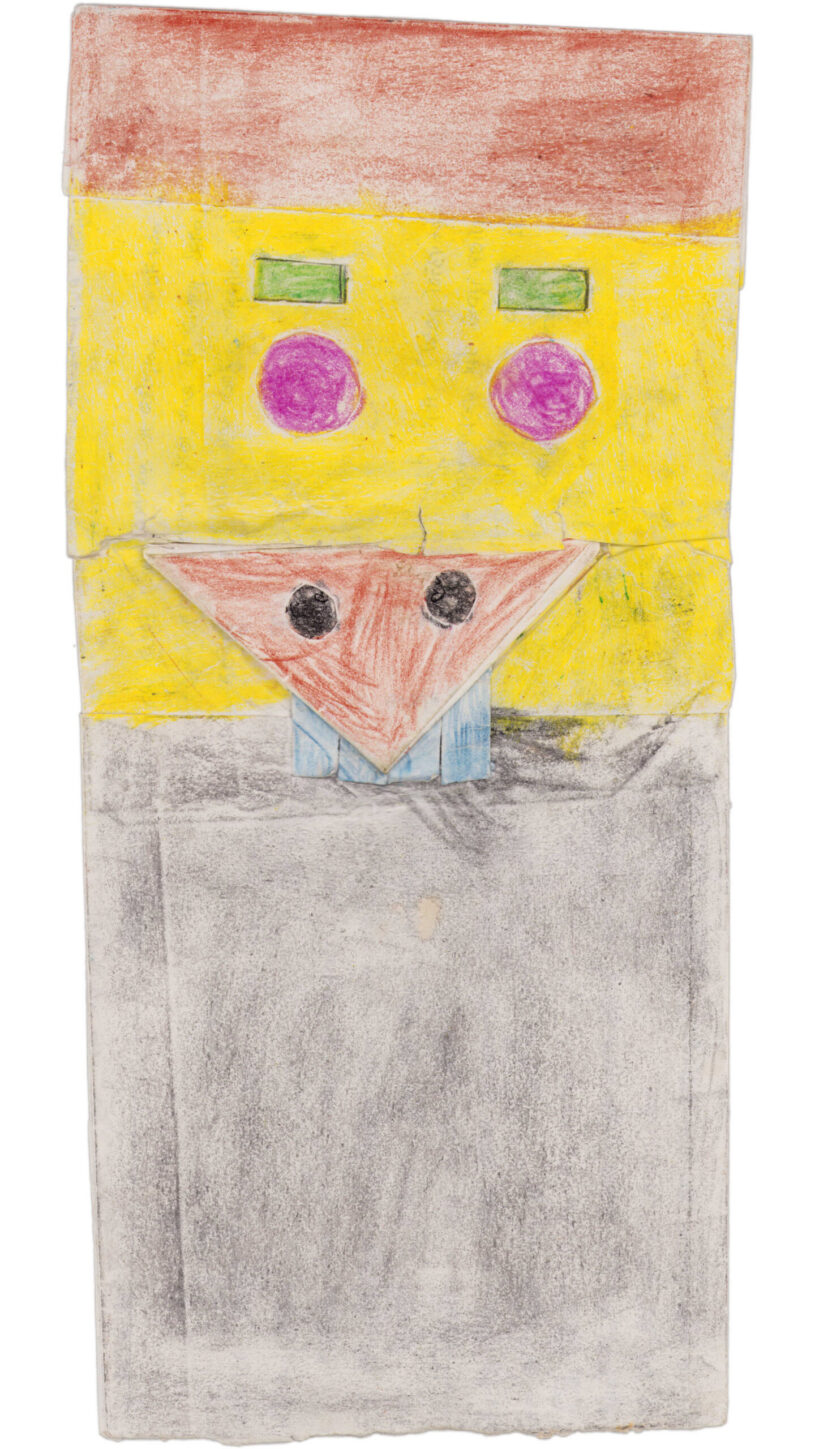
Front Side
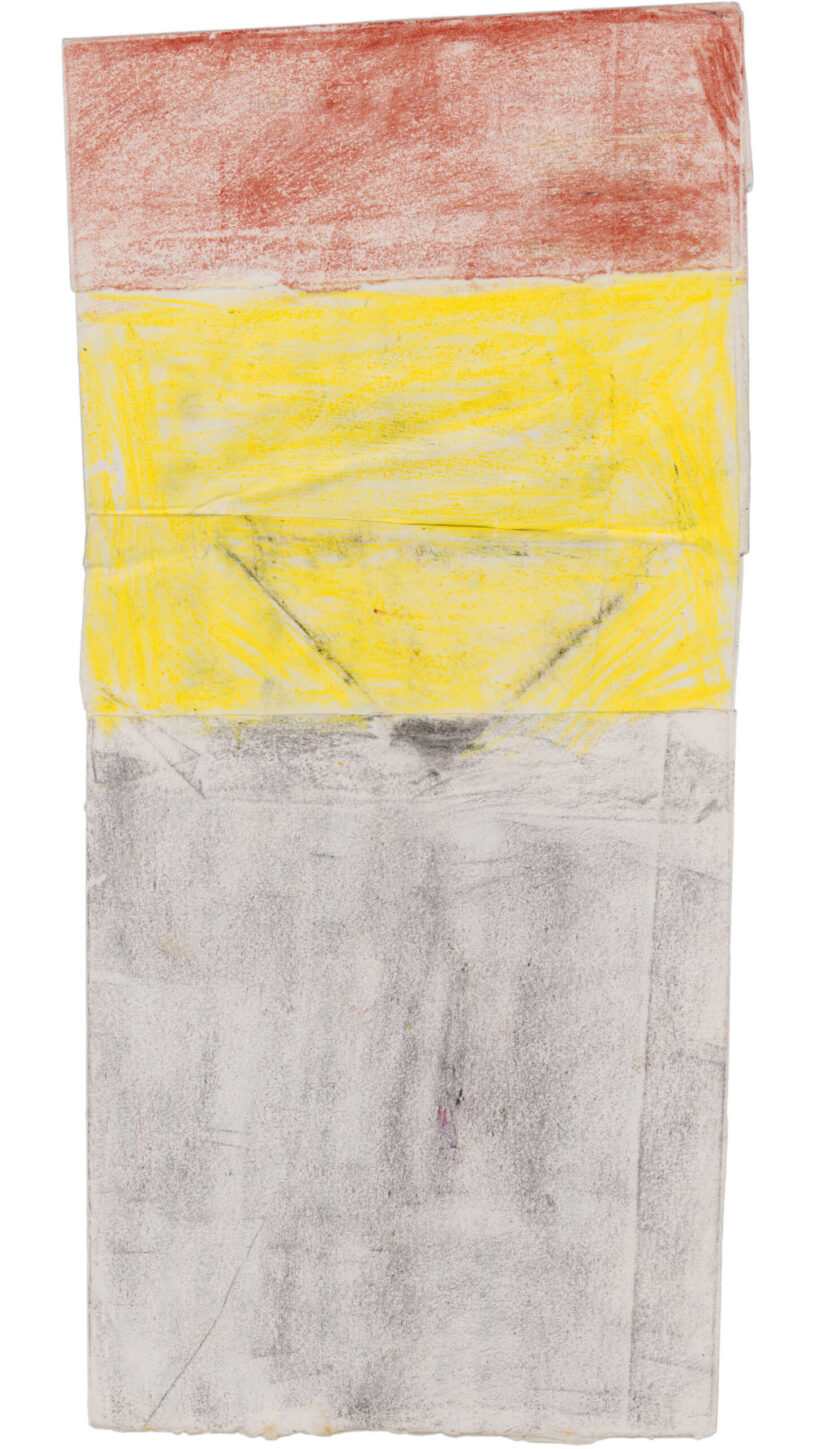
Rear Side
Video – Explanation
| Date: | Abt. 1992. |
| Technique: | Origami + Folded and Glued Paper, Colored with Crayons. |
| Style: | Naïve. |
| Dimensions: | ?. |
???
Background
The Secret Story of “Qua Qua De La Oma” 🎶
What is it?
- A nostalgic Israeli childhood classic: “Qua Qua De La Oma” (sometimes misheard as “Quack Quack De La Omar”) is a hugely popular group hand-clapping game played by children in Israel.
- How it works: Players sit in a circle, placing their right hand over their neighbor’s left hand. They pass a clap around the circle to the rhythm of the song. At the end, they count (usually to 5 or 10), and the last player must pull their hand away quickly to avoid getting slapped.
The Magical Linguistic Mistake (Mondegreen)
- The Mondegreen Phenomenon: This entire game is a perfect example of a Mondegreen—a situation where people hear a song in a foreign language they don’t understand, and accidentally mishear and rewrite the sounds into familiar words from their own language.
- The original roots: The song originally traveled from a Spanish children’s game called “El Juego de la Oca” (The Game of the Goose), which was highly popular in countries like Argentina and Chile.
How the Words Morphed Over Time
- From Goose to “Oma”: The Spanish phrase “De la Oca” (of the goose) was misheard by Israeli ears and morphed into “De La Oma” (or “Omar” in areas like Haifa and Jerusalem). The duck or goose sound “Cuac Cuac” naturally became “Qua Qua”.
- From “See You Tomorrow” to T-Shirts: The original Spanish phrase “Hasta mañana” (see you tomorrow) sounded to Israeli children like “Esti Matrico” or “Dasi Matrico”, which eventually evolved into the famous “Be’simlat Trico” (in a T-shirt dress).
- The 90s Pop-Culture Remix: In the 1990s, children added a new rhyming insult to the song (“Your dad is a monkey, your mom is a hippo, and you are a little donkey”). This was actually adapted from a popular 1970s Israeli children’s song called “Hippo Hipi” sung by Mike Burstein.
Fascinating Cultural Adaptations
As the song traveled, different communities adapted it to fit their own cultures:
- The Religious Version (The “Dosing” Version): Religious Jewish children created a parody version where the lyrics change to “Your dad is a Tzadik, your mom is a Rebbitzen, and you wear a Tzitzit”. Instead of counting numbers at the end (due to a traditional custom of not counting people by numbers), they recite a 10-word biblical verse (“Hoshia et amcha…”) to determine the final slap.
- The Matchmaking Version: In the early 2000s, older religious singles (known as Balachim) created a version celebrating weddings and matchmaking, ending the song with a count up to 18 to send someone to the Chuppah (wedding canopy).
- The Global Connection: Children in the US play very similar versions of this game with almost identical phonetic mishearings, such as “Quack Didly Omar” in Connecticut or the famous “Stella Ella Ola” across North America.
In short: “Qua Qua De La Oma” is a beautiful, evolving puzzle of human language! It shows how children across generations and countries take sounds from global cultures, twist them into fun rhymes, and keep a shared childhood tradition alive.
🇺🇸 Some American version:
“Stella Ella Ola”
🇩🇪 Some German version:
“Aquaka della Oma”
🇦🇷 Some Argentine version:
“El juego de la oca”
🇫🇷 Some French version:
“Ah coucou de la koma”
Stella Ella Ola,
Clap, clap, clap
Say yes, chica, chica
Chica, chica, cha
say yes chica, chica
Bologna, bologna
With cheese and macaroni
Fire 1, 2, 3, 4, 5!
Aquaka delle oma quak quak quak,
dscheslowa triko triko triko trak.
Balu balu, bala, balu, balu, balu,
eins, zwei, drei, vier, fünf!
El juego de la oca,
ya empezó, ()
ia ia oh,
es muy divertido, ()
si, si, si, ()
es muy aburrido, ()
no, no, no, ()
uno, dos, tres…” ()
Ah coucou de la koma,
Ah coucou coucou coucou,
Est-ce que tu es là? ()
Oui, je suis là! ()
Un, deux, trois, quatre, cinq! ()
🇮🇱 Most common Israeli version:
קְוַּוה קְוַּוה דֶּה לָה אוֹמָה
הַקַּוָּוה קַוָּוה דֶּה לָה אוֹמָה, קַוָּוה קַוָּוה
בְּשִׂמְלַת טְרִיקוֹ / דַּסִי מַטְרִיקוֹ,
אַבָּא שְּׁךָ קוֹפִיקוֹ,
אִמָּא שְּׁךָ הִיפּוֹפּוֹטָם,
וְאַתָּה חֲמוֹר קָטָן,
וְלֹא, וְכֵן, צוֹלֵעַ וּמִסְכֵּן – זָקֵן!
(סופרים עד 10 כמו ב”אֶן דֶּן דִּינוֹ”).
* 🇮🇱 This is the version most common in Israel during the 1990s and 2000s, which is the one I am familiar with.
Last updated: Oct 16, 2025

