

Source: FamilySearch – Contributed By Tina D. (24 Jul 2020)
Enhanced by me 7 Jul 2025
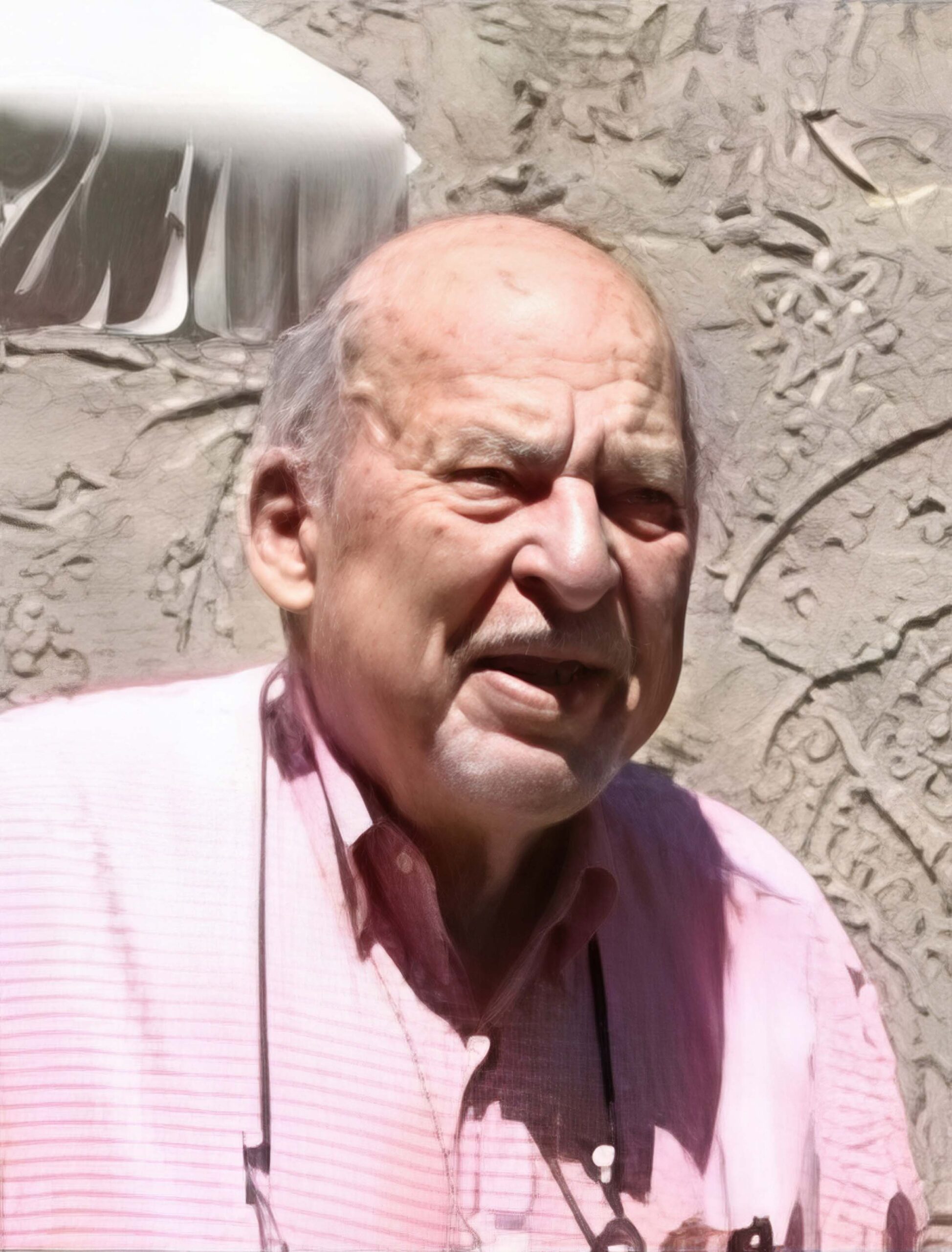
Biography
Felix Raphael Rosenthal
⌡ 12 January 1917 – 3 October 2009 ⌠
Felix was born in München, München, Bayern, Deutschland in January 12th, 1917.
He emigrated from Germany in 1933 shortly after Hitler came to power to Italy, settled with part of his family in his mother’s native city of Florence, Switzerland. With the spread-out of Nazism (formally named National Socialism) the ‘journey’ continued to France, Switzerland, back to France, Chile and finally settled in United Stats in the city of Berkeley to join his brother Bernard in 1941. From that point he lived mostly in United Stats and resided in several places. Many years after, In the early 1970s he returned to Switzerland in Zurich for family matters that turned out to be 13 years of activity. In 1982 and retired and return to United States to California – first to San Rafael and later San Jose. During the last months of his life he resided at Chaparral House in Berkeley.
He died in Berkeley on October 3rd, 2009.
My Journey
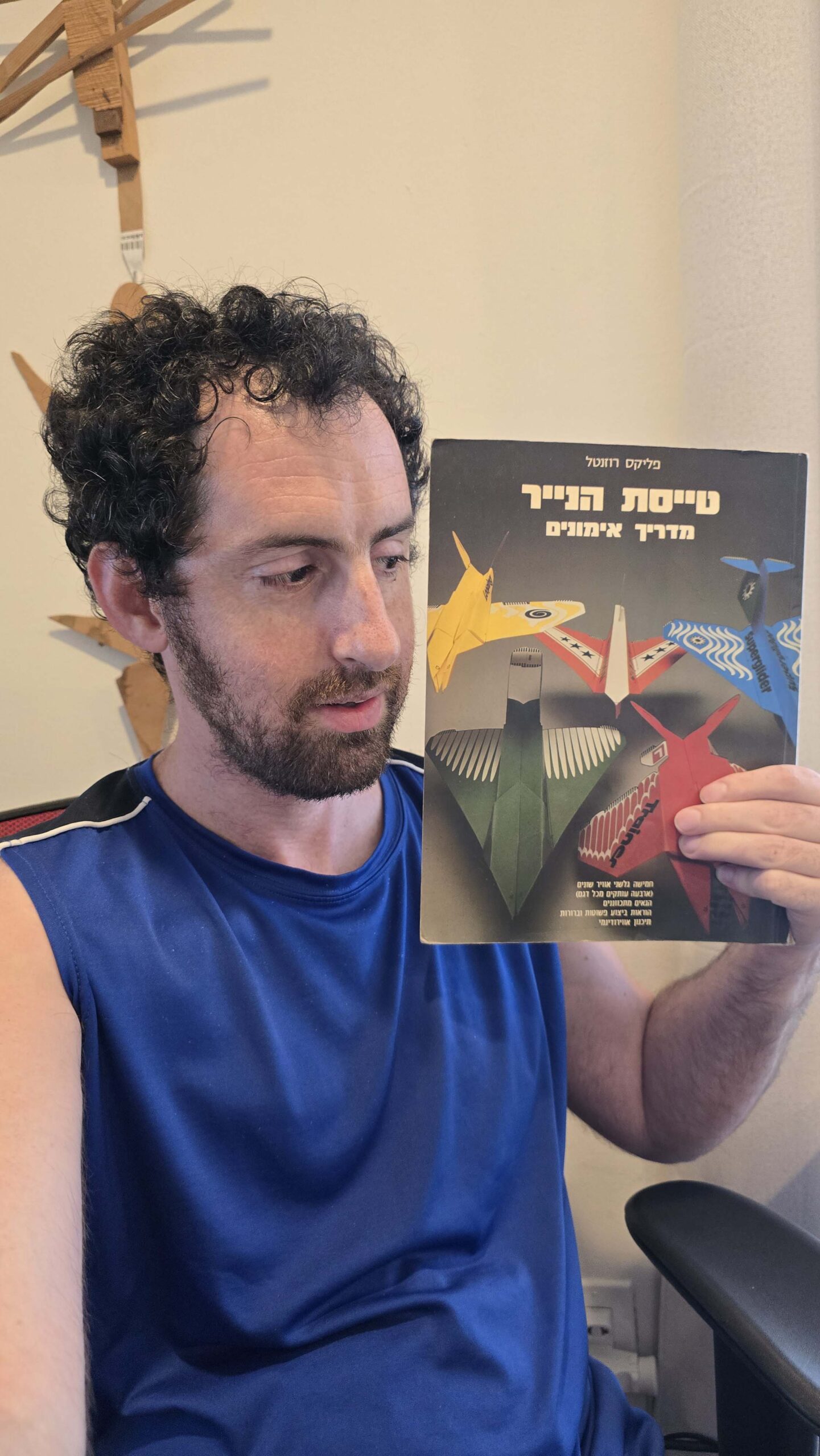
Because of my image restorations, history investigating and history reviving, I started a journey on about Jul 1 2025 by tracking and conserving what I can about Felix Rosenthal stuff. I had a book (soft cover), as a little kid, that my father gave me that I’ll be able to build cool origamis – It is not a traditional origami!
My copy (Hebrew edition) is in relatively good condition but, missing 3 out of the 5 airplanes models – I only have 2 models(see on left)
So, I have embarked on a journey to track down the models for preservation purposes.
Video from July 16 2025
• Have: Trainer, Sprinter.
• Don’t have: Superglider, Looping, Skyhawk.
Update regarding my further journey
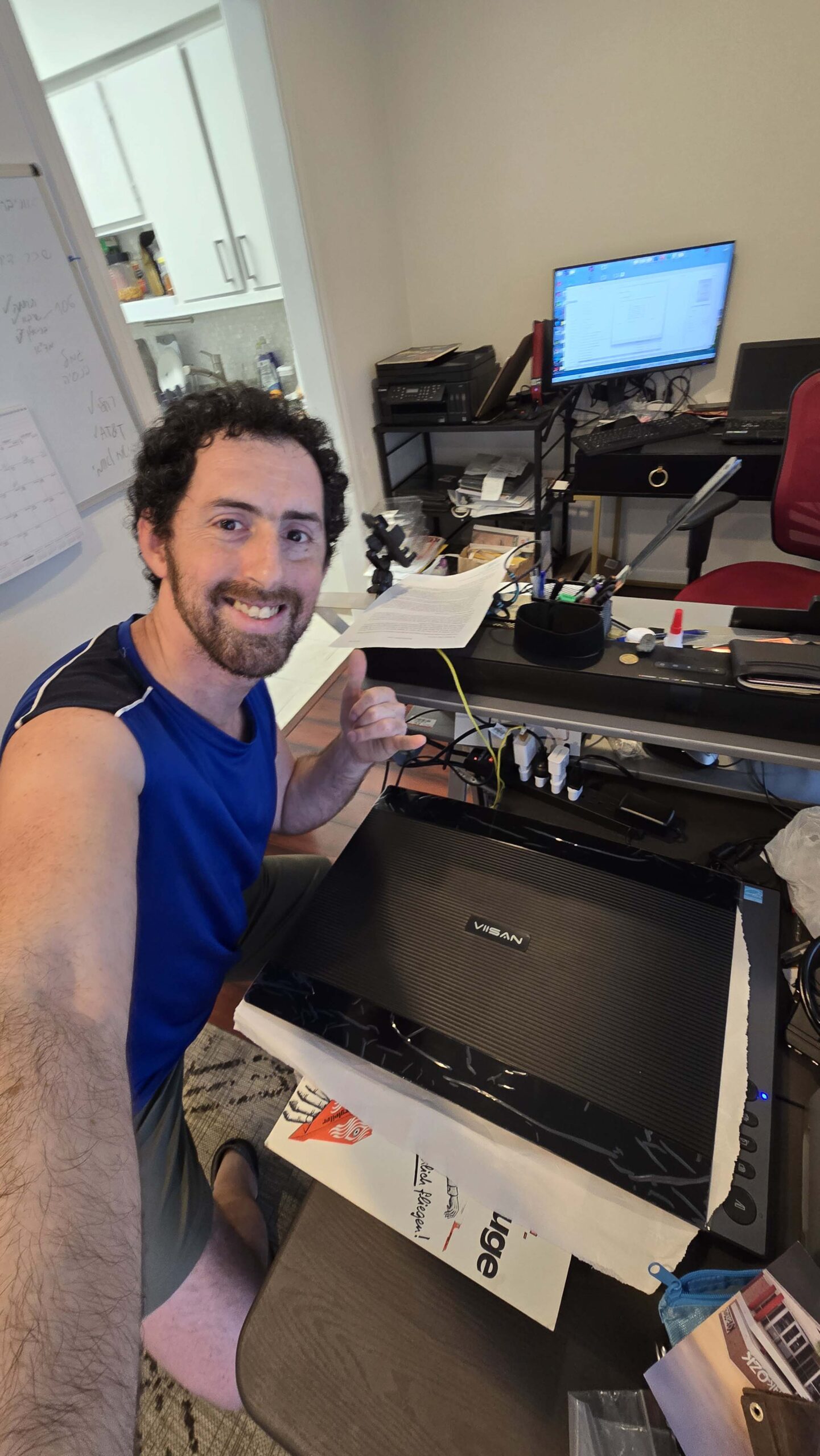
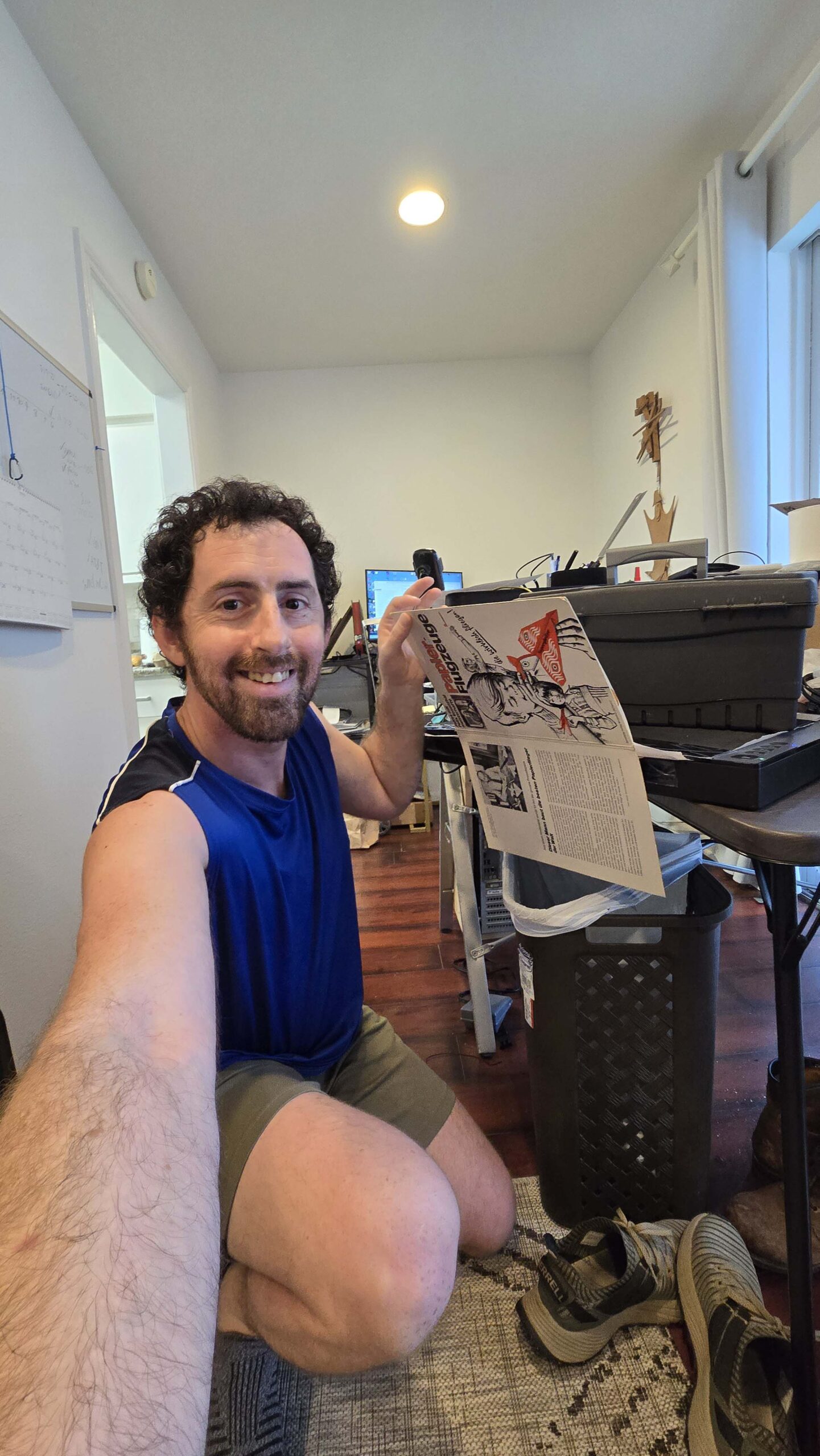
To summarize this update (and other updates) is that I was able to track down the entire collection
Biography
by Adam publishing
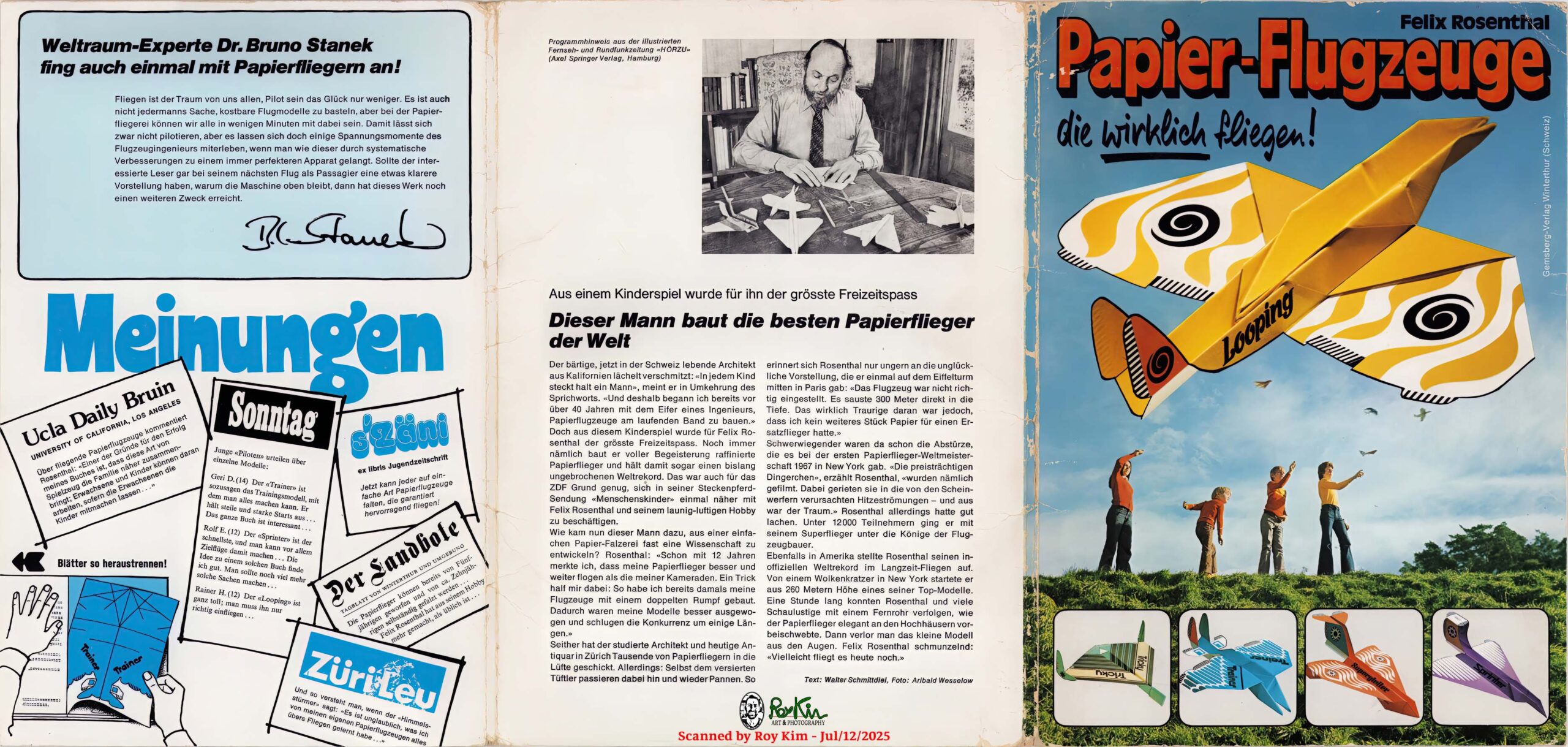
Felix Rosenthal was born in Munich, Germany, at the end of World War I, into a respectable family of rare book dealers. As a child, he built paper airplanes with his schoolmates, and even then his airplanes had a different and special quality, thanks to his interest in topics such as wing stability, double folds, and other “patents” in making gliders. Rosenthal moved to Italy, where he graduated from elementary school in Florence in 1936, and to this day he claims that one of his planes crossed the Arno River after being launched from a two-story building. He continued his engineering studies in Milan, and then moved to Paris, where he “earned” one of his worst failures, when one of his paper gliders, which had not been properly adjusted, plummeted like a stone 300 meters from the top of the Eiffel Tower, straight to its bitter end. Rosenthal managed to leave Paris at the very last minute before the Nazis entered. He moved to Chile, and from there to the United States in 1940. During World War II, Rosenthal served in the United States Army, and then completed his architecture studies at the University of California, Berkeley. He studied in San Francisco, and since his office had a balcony — After all, he did more than just architecture, he built and flew paper airplanes… One of his models won the first international paper airplane competition held in 1967. His model appears as No. 19 in the competition book: ‘The Great International Paper Airplane Book’.
In 1971, Rosenthal moved to Switzerland to help with the family business, and began participating in paper glider competitions, which led to his book being commissioned. The book was published in Germany under the title “Paper Airplanes That Really Fly”, (German: “Papier-Flugzeuge – die wirklich fliegen!”) and it forms the basis of this book. The book was a great success in both European and American editions.
Felix Rosenthal, designed some of the best paper airplanes in the world.
Many tasks still lie ahead for Felix Rosenthal, the engineer-architect. One of them is to officially establish the unofficial record for the longest hovering time of a hoverboard, set from the top of the Empire State Building in New York City — the glider hovered for an hour in the air currents of midtown Manhattan before disappearing from sight. Rosenthal says: “I am stillfascinated by the unanswered question of how many airplanes can be built from a sheet ofpaper measuring 20×30 cm. I continue to investigate, and the results become more and moresophisticated. The Skyhawk model in this book took me 18 months to develop, and I onlycompleted it in the spring of 1979. This may be my last model — but why don’t you try yourability?”
Original in Hebrew:
פליקס רוזנטל נולד במינכן שבגרמניה בסוף מלחמת העולם הראשונה, למשפחה מכובדת של סוחרי ספרים נדירים. עוד בהיותו ילד בנה מטוסי נייר יחד עם שאר חבריו לבית הספר, וכבר אז היתה למטוסיו איכות שונה ומיוחדת, בזכות התעניינותו בנושאים כמו יציבות הכנף, קיפולים כפולים ו”פטנטים” אחרים בעשיית הגלש־נים. רוזנטל עבר לאיטליה, שם סיים בית ספר יסודי בפירנצה ב־1936 , ועד היום הוא טוען שאחד ממטוסיו חצה את נהר הארנו לאחר ששוגר מבניין בן שתי קומות. הוא המשיך בלימודי הנדסה במילאנו, ואחר־כך עבר לפאריז, שם “זכה” לאחד מכשלונותיו החמורים ביותר, כשאחד מגלשני הנייר שלו, שלא כוונן כהלכה, צנח כמו אבן 300 מטרים מפיסגת מגדל אייפל, היישר אל קיצו המר.
רוזנטל הצליח לצאת מפאריז ממש ברגע האחרון לפני כניסת הנאצים. הוא עבר לצ’ילה, ומשם ב־1940 לארצות הברית. בתקופת מלחמת העולם השנייה שירת רוזנטל בצבא ארצות הברית, ולאחר מכן השלים את לימודיו בארכיטקטורה באוניברסיטת ברקלי בקליפורניה. הוא השתלם בסן פרנציסקו, ומאחר שלמשרדו היתה צמודה מרפסת — הרי שיותר מאשר לעסוק בארכיטקטורה, הוא בנה והעיף מטוסי נייר… אחד מדגמיו זכה בתחרות הבינלאומית הראשונה למטוסי נייר שנערכה ב־1967. הדגם שלו מופיע כמס’ 19 בספר התחרות: ‘הספר הבינלאומי הגדול למטוסי נייר’.
ב־1971 עבר רוזנטל לשווייץ לסייע בעסק המשפחתי, והחל להשתתף בתחרויות של גלשני נייר שבעקבותיהם הוזמן אצלו הספר. הספר יצא לאור בגרמניה תחת השם “מטוסי נייר שבאמת טסים”, והוא מהווה את הבסיס לספר זה. הספר זכה להצלחה רבה במהדורה האירופית והאמריקאית כאחת.
פליקס רוזנטל, תיכנן כמה ממטוסי הנייר הטובים בעולם.
משימות רבות עומדות עדיין בפני פליקס רוזנטל המהנדס־ארכיטקט. אחת מהן היא לקבוע באופן רשמי את שיאו הלא רשמי לזמן ריחוף של גלשן אוויר, שנקבע ממרומי בניין האמפייר־סטייט בניו־יורק — הגלשן ריחף במשך שעה בזרמי האוויר של מרכז מנהטן לפני שנעלם מן העין. אומר רוזנטל: “אני עדיין מוקסם מן השאלה שאין לה תשובה כמה מטוסים אפשר לבנות מגליון נייר בגודל של 30×20 ס”מ. אני ממשיך לחקור, והתוצאות נעשות מתוחכמות יותר ויותר. את דגם הסקייהוק שבספר זה פיתחתי במשך 18 חודשים תמימים, והשלמתי אותו רק באביב 1979 . יכול להיות שזה הדגם האחרון שלי — אך מדוע לא תנסו אתם את כוחכם ?”
Reference:
-
פליקס רוזנטל (מחבר). “טייסת הנייר : מדריך אימונים”. אדם, ירושלים. 1983.
Additional reading:
https://www.legacy.com/us/obituaries/sfgate/name/felix-rosenthal-obituary?id=22333887
https://www.familysearch.org/en/tree/person/details/GW8D-VYC